A guide on how to check that your cake is cooked
Baking a cake, whether it’s a chocolate delight, a light and airy sponge, or a classic vanilla butter cake, is an art form that requires precision. One of the most critical aspects of baking is knowing when you have a perfectly baked cake. In this blog post, we’ll explore various methods, including the toothpick test, visual cues, and temperature measurements, to help you achieve a fully cooked cake with confidence.

1. The Toothpick Test: A Time-Tested Technique
The toothpick test is a classic and foolproof method to check if your cake is done. Follow these simple steps:
- Take a clean toothpick, a metal cake tester, or a wooden skewer.
- Insert it into the middle of the cake, going all the way down to the bottom.
- Pull it out slowly. If it comes out clean or with only a few moist crumbs attached, your cake is perfectly baked to the centre, just keep in mind that a crumbly cake may cause more crumbs to be pulled out on the metal skewer. However, if it comes out with raw batter on it means that you have an undercooked cake and a longer baking time is needed.
This method works well for most cake recipes, from rich chocolate cakes to light sponge cake.
2. Visual Cues: Trust Your Eyes
Visual cues can tell you a lot about your cake’s doneness:
- Examine the edges of the cake; they should be a beautiful golden brown however this will not be the case with chocolate cake.
- It should also be slightly pulled away from the sides of the pan.
- Look at the top of the cake; it should be evenly browned and no longer appear wet or shiny.
- Cracks on the top of the cake are a good sign that it’s almost done.
Visual cues are particularly helpful for differentiating between cake types, such as lighter cake like angel food cake or vanilla butter cakes and darker cakes like mud cakes.

3. Temperature Matters: The Scientific Approach
For precise results, consider using a digital thermometer or probe thermometer to double check your oven temperature is correct:
- Insert the thermometer into the centre of the cake or cake layers.
- When the internal temperature of your cake reaches 195-205°F (90-96°C) it is most likely done.
This method is especially handy when baking thicker cakes or when you want to be absolutely sure your cake is fully cooked.
4. The Touch Test: A Simple Tip
For moister cakes like mud cake or loaf cakes, the touch test can be a good indicator:
- Gently press the center of the cake with your finger.
- If it springs back and leaves no indentation, your cake is likely done.
- If it feels mushy or leaves an impression, it needs more time.
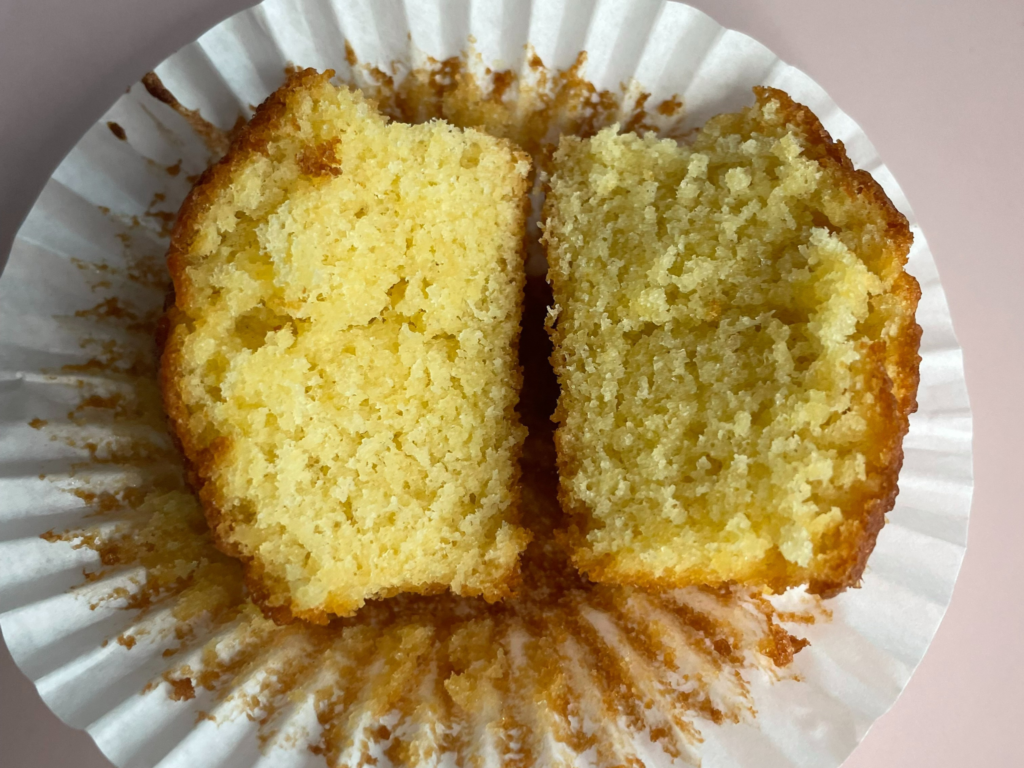
5. Cake Pulls Away: The Cake Sings
When your cake begins to pull away from the sides of the pan, it’s a good sign that it’s nearly done. This phenomenon is often seen in bundt cakes or cakes with fruit pieces.
6. Residual Heat: The Final Step
Keep in mind that even after you remove your cake from the oven, it will continue to cook for a short while due to residual heat. So, if your cake is slightly undercooked when you take it out, it may be perfectly baked by the time it cools.
In conclusion, checking when a cake is done is both an art and a science. It’s essential to use the method that suits the type of cake you’re baking and the tools you have at your disposal. With a little practice and a good recipe, you’ll be able to confidently determine your cake’s doneness, avoiding the pitfalls of overcooked cake or underbaked cake. So, embrace these simple ways to master the art of baking, and remember: happy baking means enjoying the perfect slice of cake every time!

